- +91 8247264006
- info@drvinodneurology.com
- opposite Parsi Dharamsala, Paradise, Sappu Bagh Apaprtment, Jogani, Ramgopalpet, Secunderabad, Telangana 500003
- Mon - Sat 09:0 AM - 05:00 PM


Epilepsy Treatment
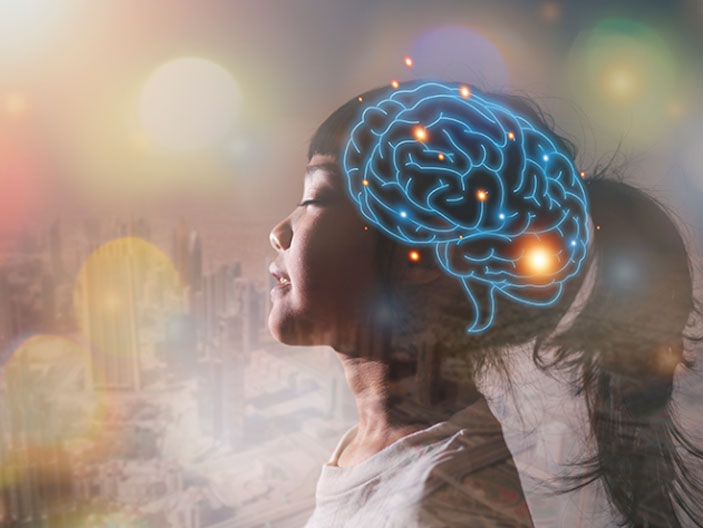
Epilepsy is a disorder of the brain characterized by repeated seizures. A seizure is usually defined as a sudden alteration of behavior due to a temporary change in the electrical functioning of the brain. Normally, the brain continuously generates tiny electrical impulses in an orderly pattern. These impulses travel along neurons — the network of nerve cells in the brain — and throughout the whole body via chemical messengers called neurotransmitters.
In epilepsy the brain's electrical rhythms have a tendency to become imbalanced, resulting in recurrent seizures. In patients with seizures, the normal electrical pattern is disrupted by sudden and synchronized bursts of electrical energy that may briefly affect their consciousness, movements or sensations.
Your health care provider may order lab tests, such as blood tests, to rule out other conditions that may be causing your symptoms. Epilepsy is usually diagnosed after a person has had at least two seizures that were not caused by some known medical condition, such as alcohol withdrawal or extremely low blood sugar.