- +91 8247264006
- info@drvinodneurology.com
- opposite Parsi Dharamsala, Paradise, Sappu Bagh Apaprtment, Jogani, Ramgopalpet, Secunderabad, Telangana 500003
- Mon - Sat 09:0 AM - 05:00 PM


Migraine Treatment
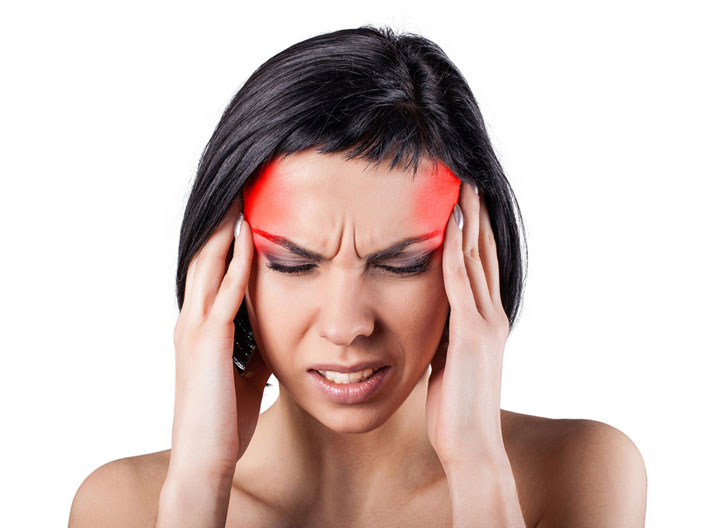
A migraine is a common neurological disease that causes a variety of symptoms, most notably a throbbing, pulsing headache on one side of your head. Your migraine will likely get worse with physical activity, lights, sounds or smells. It may last at least four hours or even days. About 12% of Americans have this genetic disorder. Research shows that it’s the sixth most disabling disease in the world.
There are over 150 types of headaches, divided into two categories: primary headaches and secondary headaches. A migraine is a primary headache, meaning that it isn’t caused by a different medical condition. Primary headache disorders are clinical diagnoses, meaning there’s no blood test or imaging study to diagnose it. A secondary headache is a symptom of another health issue.
These plaques and tangles in the brain are still considered some of the main features of Alzheimer’s disease. Another feature is the loss of connections between nerve cells (neurons) in the brain. Neurons transmit messages between different parts of the brain, and from the brain to muscles and organs in the body. Many other complex brain changes are thought to play a role in Alzheimer’s, too.